Your specialised partner in LED vehicle lighting

The short answer
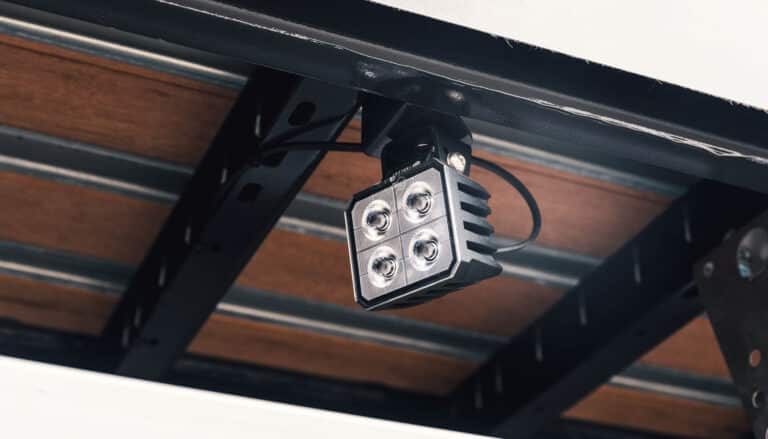
LED work lights are a smart addition to a trailer’s standard lighting. This can be extremely useful when carrying out work on site. We’ll explain the options available and help you get started with the installation.
In this blog you will read:
Please note: do you use work lights as reversing lights? If so, be sure to check out our special blog post on reversing lights on trailers.
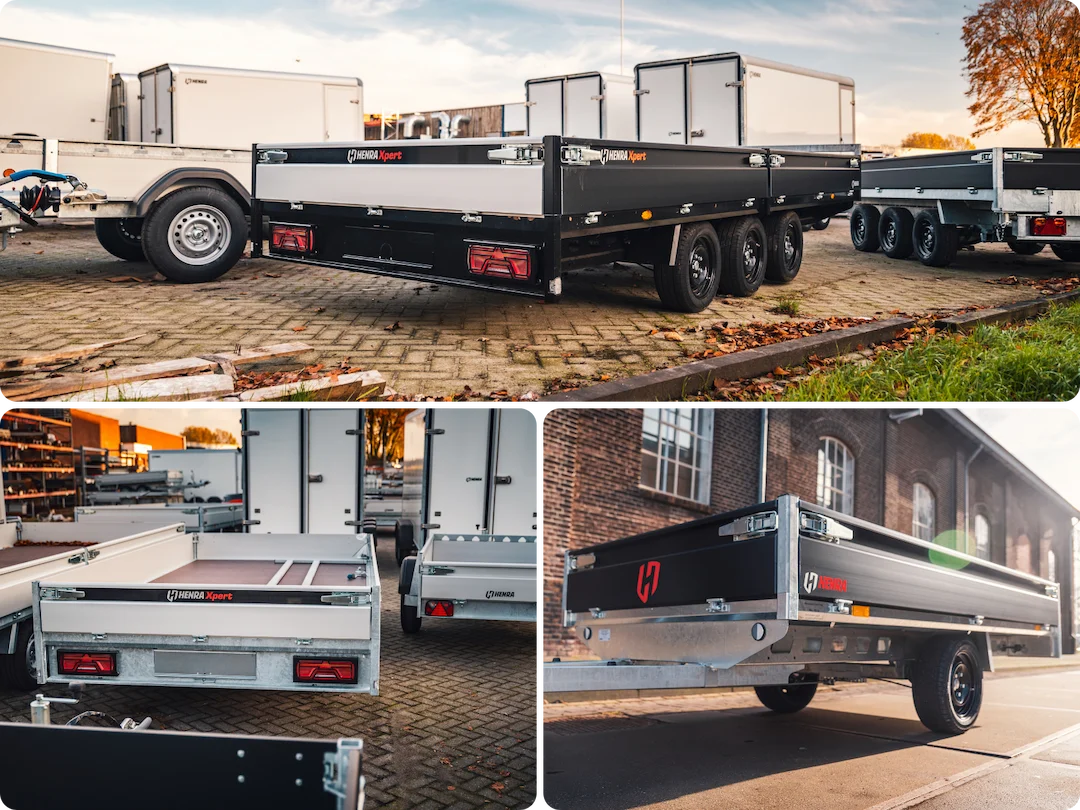
An LED work light on a trailer is essentially an addition to the standard lighting set. The standard lighting set for a trailer consists of: combination rear lights (rear light, brake light, indicator, fog light and a triangular reflector), marker lights and side marker lights.
TRALERT® has been a specialist in LED lighting for trailers since 2005. From modern rear lights and marker lights to complete, easy-to-fit plug-&-play sets.
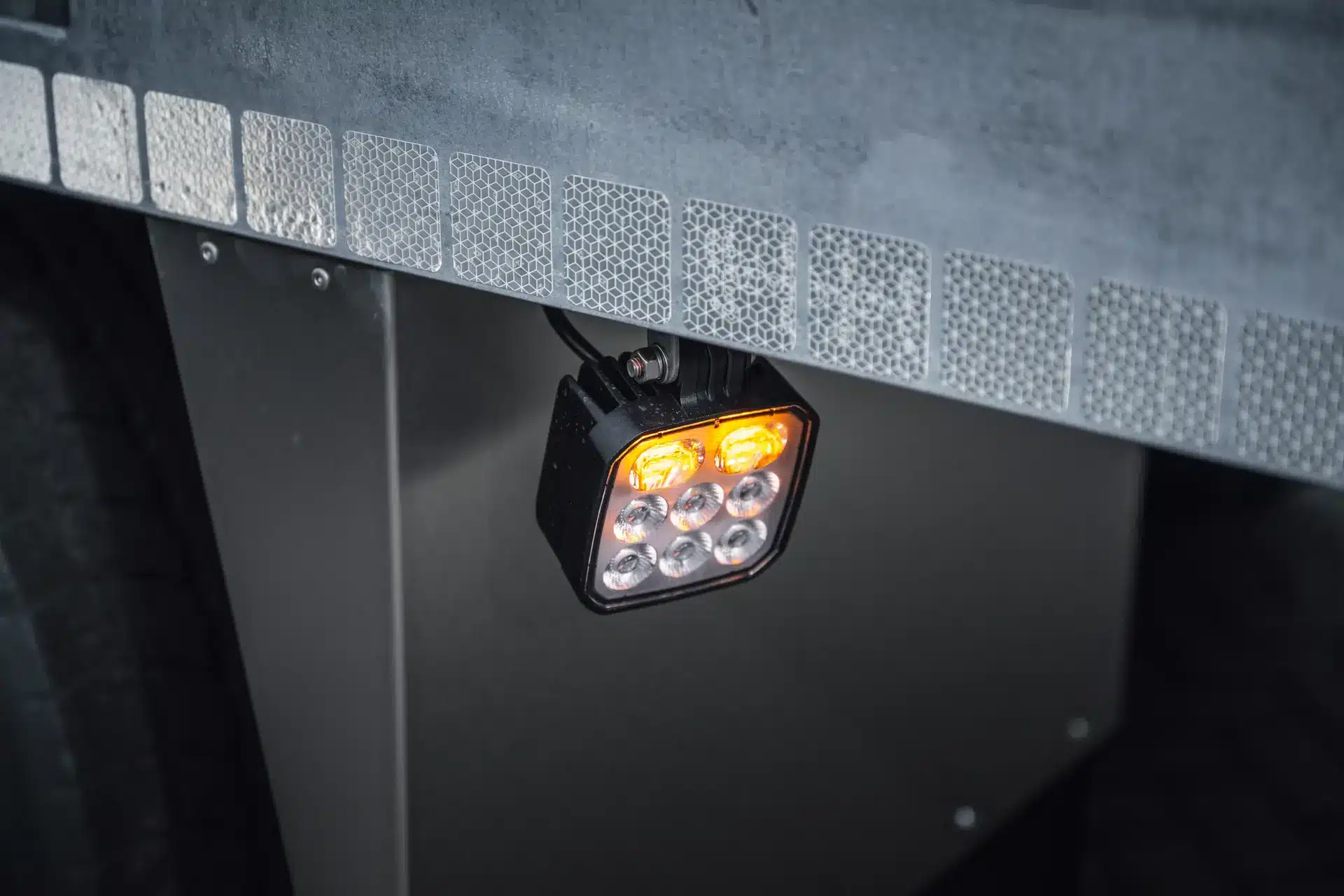
When selecting additional work lights, it is important to choose the right light image. After all, each application requires a different light distribution:
Flood beam (wide-beam): Ideal for loading and unloading or for illuminating a large working area around the trailer. Provides a wide, even beam of light.
Spotlight (directional beam): Suitable for jobs where you want to illuminate just one specific spot, such as inspection or precision work.
Good to know: work lights must not be switched on while driving on public roads. Only ECE R23-certified lights may switch on automatically when reversing.
Now that the application is clear, it's all about technology: can the system handle the additional lighting?
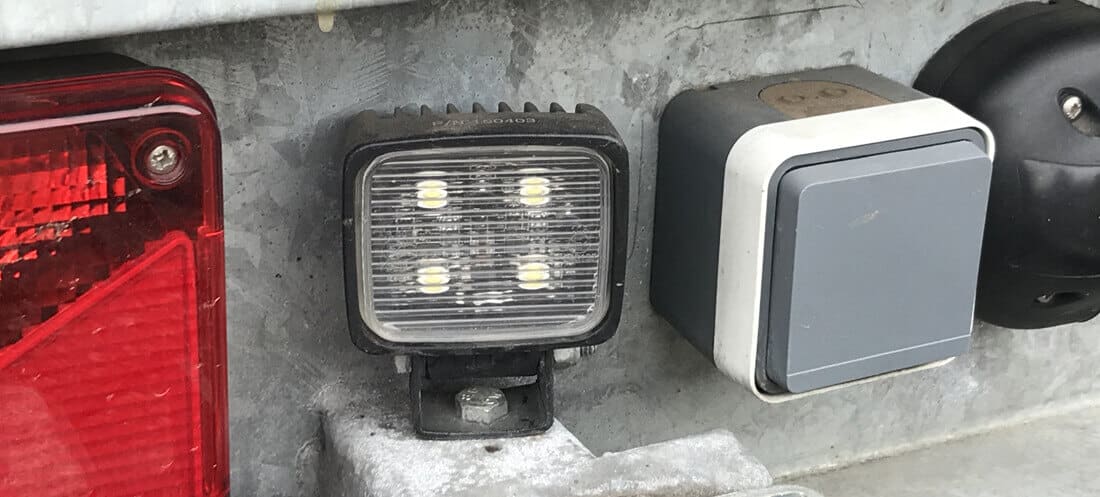
Before installing additional LED work lights on a trailer, it is vital that you first check whether the existing electrical system can handle this load. This will help prevent interference, overloading or even damage to your vehicle or trailer.
There are various ways to connect an LED work light to a trailer. The most common connection methods are explained in more detail below.
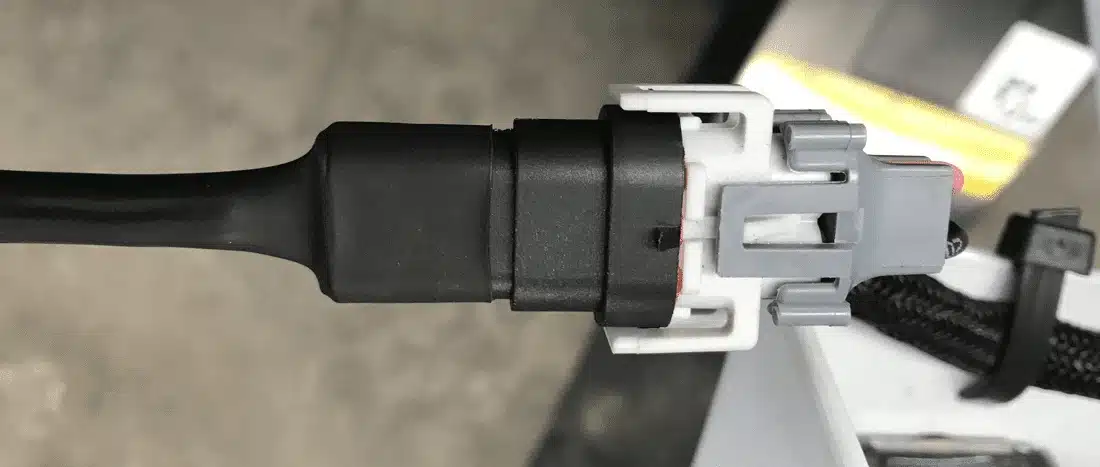
The Deutsch connector is a commonly used connector for connecting work lights to a trailer and is available in various lengths up to 4 metres. The advantage of a Deutsch connector is that the mounting is easy to integrate into the cabling system compared to other connectors.
Of course, it can happen that an LED work light on your trailer gets damaged. In such cases, replacing the work light is very straightforward. You can simply disconnect the broken work light and replace it with a new LED work light. This is because the LED work lights are fitted with a simple Deutsch connector.
Deutsch connectors are available in various lengths, with the option for branching. This allows you to connect more work lights to your trailer. It is also possible to connect a Deutsch connector to your existing cable using a connection kit.
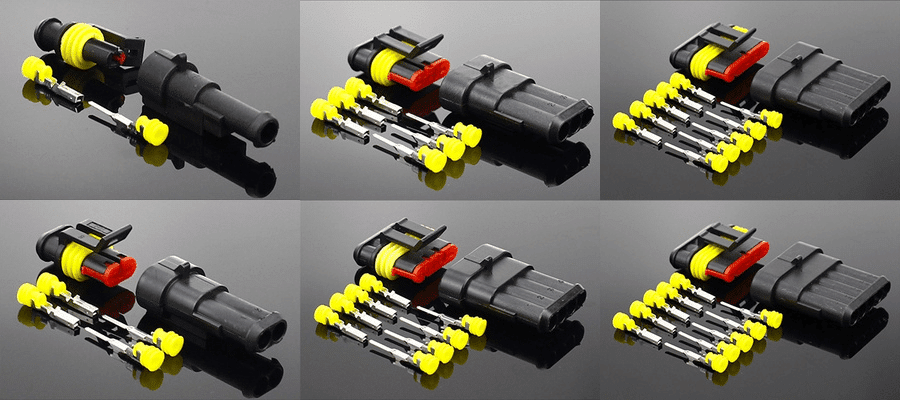
The AMP Superseal connector is a waterproof connector that can withstand harsh conditions such as exposure to fuel, oil, salt, etc. These connectors are used in many different industries, such as agriculture, the machinery sector and the car industry, and are therefore ideal for connecting a work light to a trailer.
Please ensure that the IEC529 and DIN40050 connectors are certified to be watertight.
The connections are linked via a junction box. A junction box can be used as a central unit in which the connections are linked. This is particularly useful when you want to connect work lights to a trailer. A main cable runs from the towing vehicle to the distribution box, from which all the lighting on the trailer is controlled.
Want to know more about the standard connection for a trailer? Then read our article on wiring trailer lighting.
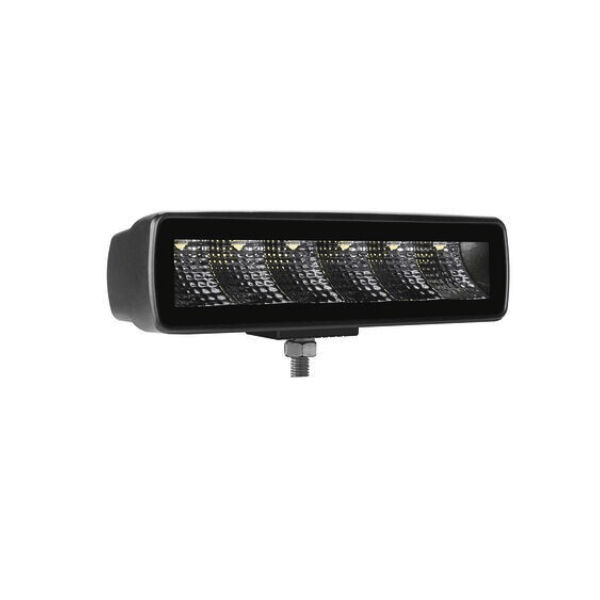
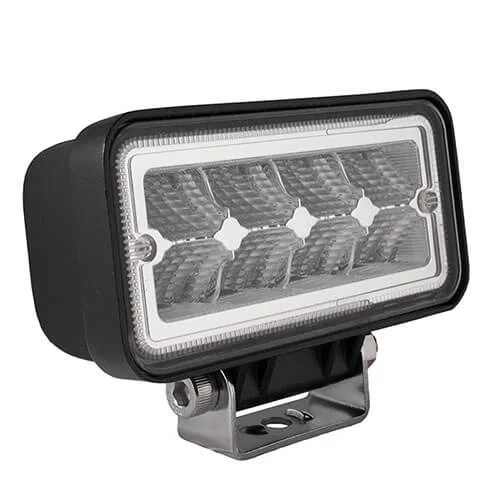
If you’re looking for a good work light for your trailer, TRALERT® has a number of top-of-the-range options available. These include impact-resistant and extremely robust lights that can withstand rough handling.
Better Light Work Safer!
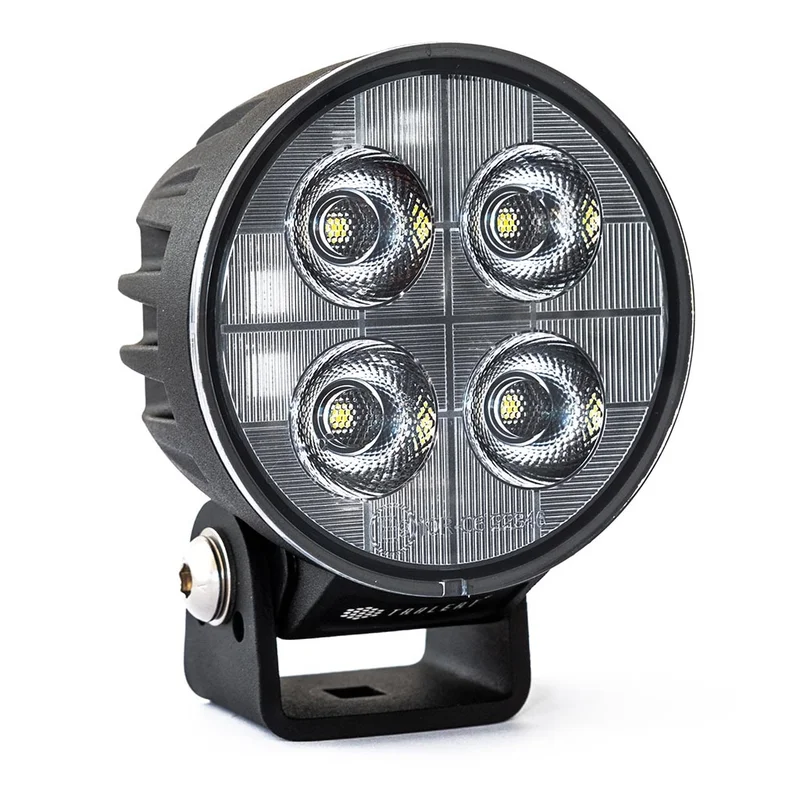
In our stock
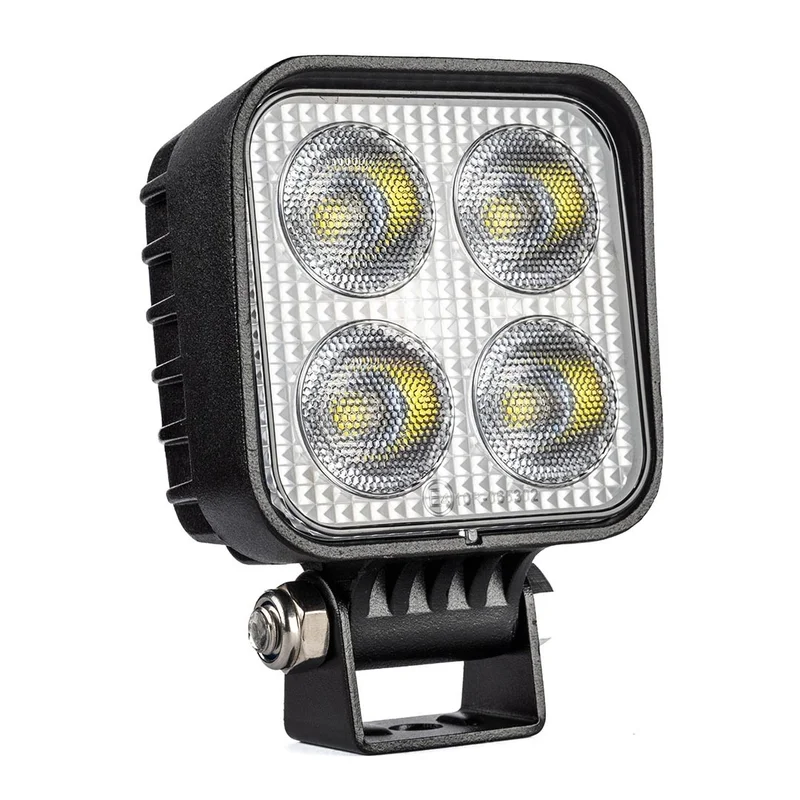
You may occasionally see interference appear on the dashboard. When you connect work lights to your trailer, the towing vehicle may fail to detect the LED lighting. This is because the LEDs draw too little power from the towing vehicle, meaning the vehicle fails to detect the lighting. You can read more about this in our article on resolving a ‘ canbus ’ interference.
Are you involved in the surface mounting, conversion or delivery of trailers and looking for durable, powerful LED work lights? TRALERT® supports vehicle manufacturers with high-quality lighting and smart connection solutions.

A selection of LED lighting for trucks and trailers.
A comprehensive overview of our LED vehicle lighting and accessories.
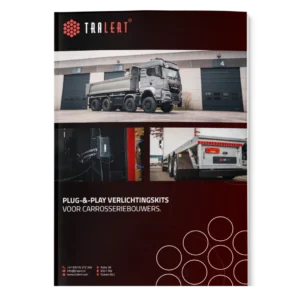
Plug-&-play lighting kits, cabling and lighting for bodybuilders.
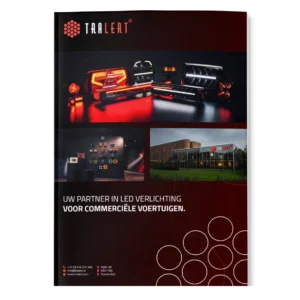
What TRALERT® can do for you as a partner in LED vehicle lighting.
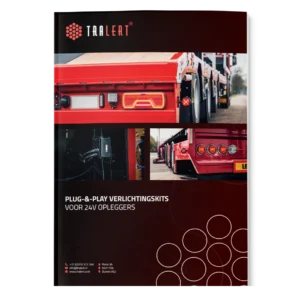
Plug-&-play kits, cabling and lighting for 24V semi-trailers.
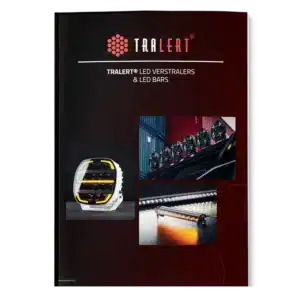
A selection of high-quality LED driving lights and LED bars.
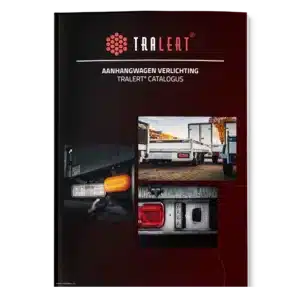
Lighting, wiring harnesses and accessories for trailers.
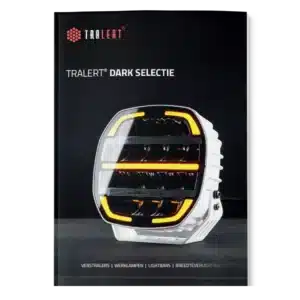
The TRALERT® DARK LED range.
Work lights, rear lights, driving lights, beacor bars and more for DAF Trucks.
Work lights, rear lights, driving lights, beacor bars and more for Ford Trucks.
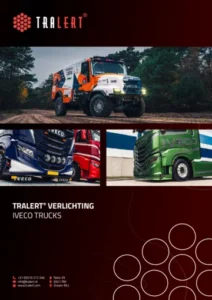
Work lights, rear lights, driving lights, beacon bars and more for Iveco.
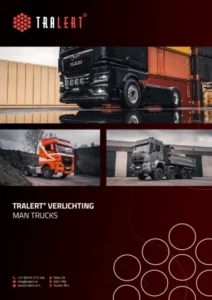
Work lights, rear lights, driving lights, beacon bars and more for MAN.
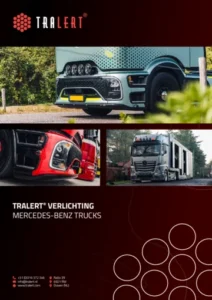
Work lights, rear lights, driving lights, beacon bars and more for Mercedes-Benz Trucks.
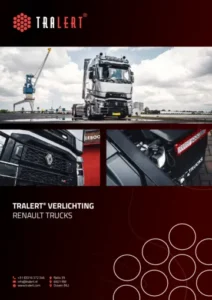
Work lights, rear lights, driving lights, beacor bars and more for Renault Trucks.
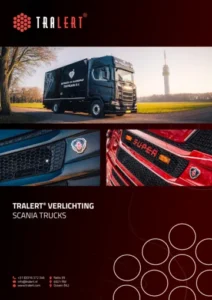
Work lights, rear lights, driving lights, beacor bars and more for Scania.
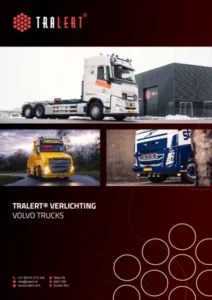
Work lights, rear lights, driving lights, beacon bars and more for Volvo Trucks.
The catalogue opens in a new tab. Can’t see it?
Open the catalogue (PDF)Two questions, in 30 seconds.
TRALERT® works with a dealer network. Dealers can view current stock levels, place orders online on account and receive a product feed for their online shop or system. We assess each enquiry internally and will let you know within 1 to 2 working days whether a partnership is possible.
You can purchase TRALERT® lighting through our partners, either locally or online. Simply provide your details, and we’ll find the partner best suited to help you.
Would you prefer to find a stockist yourself?We will assess your enquiry internally. You will hear from us within 1 to 2 working days to let you know whether a partnership is possible.
We’ll let you know within 1 to 2 working days which partner will be able to assist you further.
TRALERT® operates through a dealer network. Prices, stock levels and online ordering are therefore only available to business customers with an account.
We assess every enquiry internally and will let you know within 1 to 2 working days whether a partnership is possible.
For your own use?Find a stockist
Would you prefer a quote first?Add this product to your quotation request and send it off when you’re ready.