Specialised partner in LED vehicle lighting


In this blog you will read:
The difference between watts and lumen revolves around two different things: energy consumption and brightness.
Watts (W) tell you how much energy a light uses. We used to think that a higher wattage always meant a light was brighter. But with new technology such as LED lighting, that is no longer the case. For example, an LED light can use far fewer watts than an old incandescent light, yet still shine just as brightly, or even brighter.
Lumen (lm) indicates how bright a light actually is. It measures the total amount of visible light a light emits. While watt only looks at how much energy a light consumes, lumen tells you how much light you get. That's why you often see lumen counts listed on lamps these days, so you know exactly how clear a light is. lumen make it easier to choose the right light bulb that gives enough light without consuming unnecessary energy.
So: lumen measure the amount of light emitted by a light, while watts measure energy consumption. So the wattage tells you nothing about the brightness of the light, the lumen count does.
Why are lumens more important than watts?
Lumens are a more important measure of a light's brightness than watts. This is because they directly indicate how much light a lamp actually emits, while watts only indicate how much energy a lamp consumes.
To help you better compare the brightness of different lights, manufacturers nowadays indicate the number of lumen (lm) on the packaging.
Lumens indicate how much light a lamp actually emits, regardless of the type or wattage of the lamp. This makes lumen a much more reliable measure of light output than watts, as it shows how well the light performs in terms of light production, rather than just energy consumption. A higher number lumen means more light, but this does not necessarily go hand in hand with higher energy consumption. By looking at the number lumen , you can better assess which light is the right choice for your lighting needs, whilst also taking energy efficiency into account.
In short, lumen are a more accurate and useful measure for choosing lighting because they directly indicate how much light you get, while watts only measure energy consumption. By focusing on lumen, you can find the right balance between brightness and energy efficiency.
When choosing the right lighting, it is important to look at both wattage and lumen. Wattage indicates how much energy a light consumes, while lumen indicates how much light the lamp actually emits. By combining these two measures, you can choose more efficient and brighter lighting.
Watch the video below if you would like to see it explained visually.
Here is a handy table to help you compare different types of lights:
| Light type | Watt (W) | Lumen (lm) | Lumen per Watt (lm/W) |
| Light bulb | 60W | 800 lm | 13 lm/W |
| Halogen lamp | 42W | 800 lm | 19 lm/W |
| CFL (low-energy light bulb) | 15W | 800 lm | 53 lm/W |
| LED light | 10W | 800 lm | 80 lm/W |
Use this table as a rule of thumb to compare different lights. For example, if you want to replace a 60W incandescent lamp with an LED lamp of similar brightness, choose an LED lamp that produces around 800 lumen. That way, you get the same amount of light but use significantly less energy. Comparing lumen and watts helps you find the right balance between brightness and energy efficiency.
An important measure for evaluating the efficiency of LED lights is the lumen per watt ratio (lm/W). This ratio indicates how much light(lumen) an LED lamp produces per watt of energy consumed. LED lights are very efficient and typically produce between 80 and 100 lumen per watt, and some even more.
Why is this important:
By understanding how the lumen per watt ratio works, you can make more informed choices when buying lighting. For example, if you choose LED lights with a higher lumen per watt ratio, you get more light for less energy consumption. By doing so, you contribute to a more sustainable future by using less energy.
In short, knowing the lumen per watt ratio helps you both save costs and reduce your carbon footprint.
There are some common misunderstandings about watts and lumen that often lead to confusion when choosing lighting. One of the biggest misunderstandings is that a higher wattage always means a light is brighter. This may have been true for traditional incandescent lights, but with the advent of LED lights and other more efficient technologies, this is no longer the case.
Another misconception is that lumen and watts are the same thing, while lumen measure the brightness of a light and watts the energy consumption. It is also a misconception that a light with a high lumen count automatically uses a lot of energy. Thanks to the efficiency of modern LED lamps, a light can give a lot of light (high lumen) with low energy consumption (low watts). By clearing up these misconceptions, you can make more informed choices and find the right lighting that is both energy-efficient and clear.
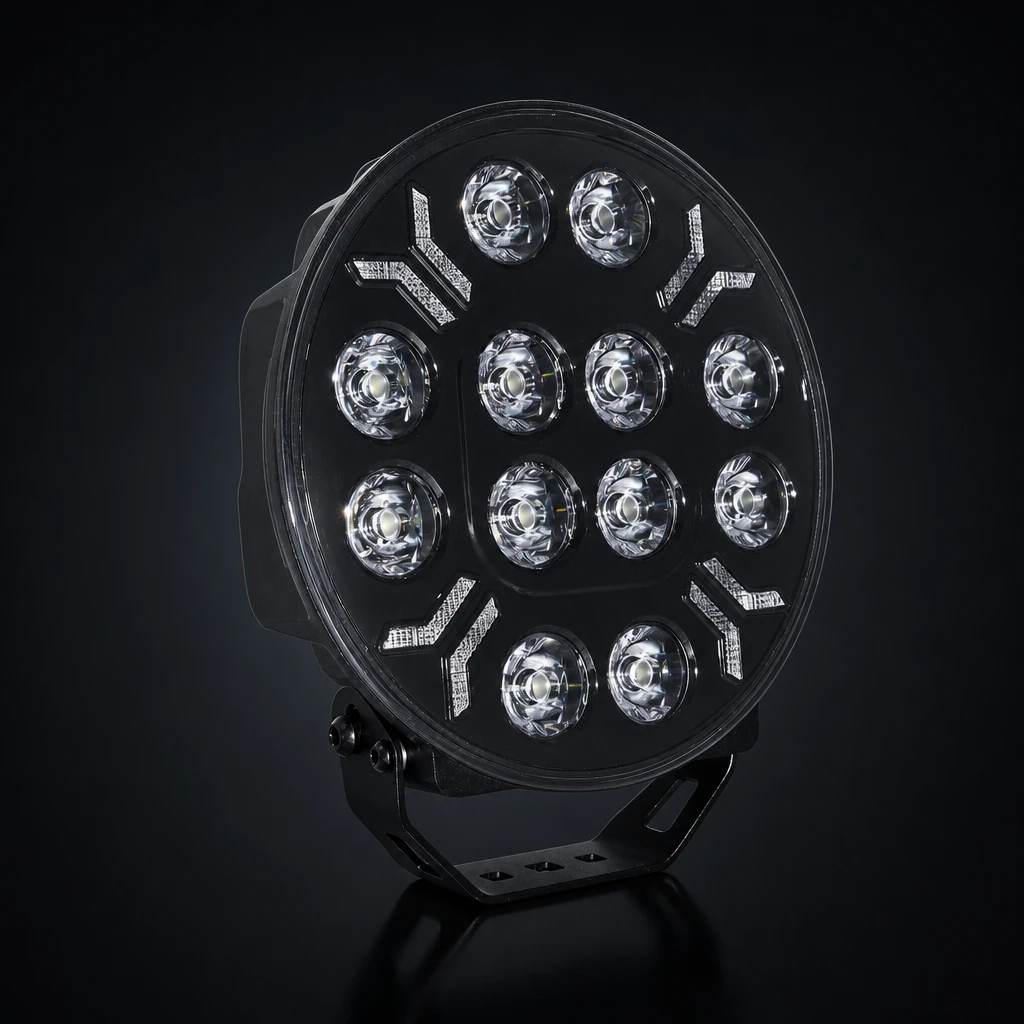
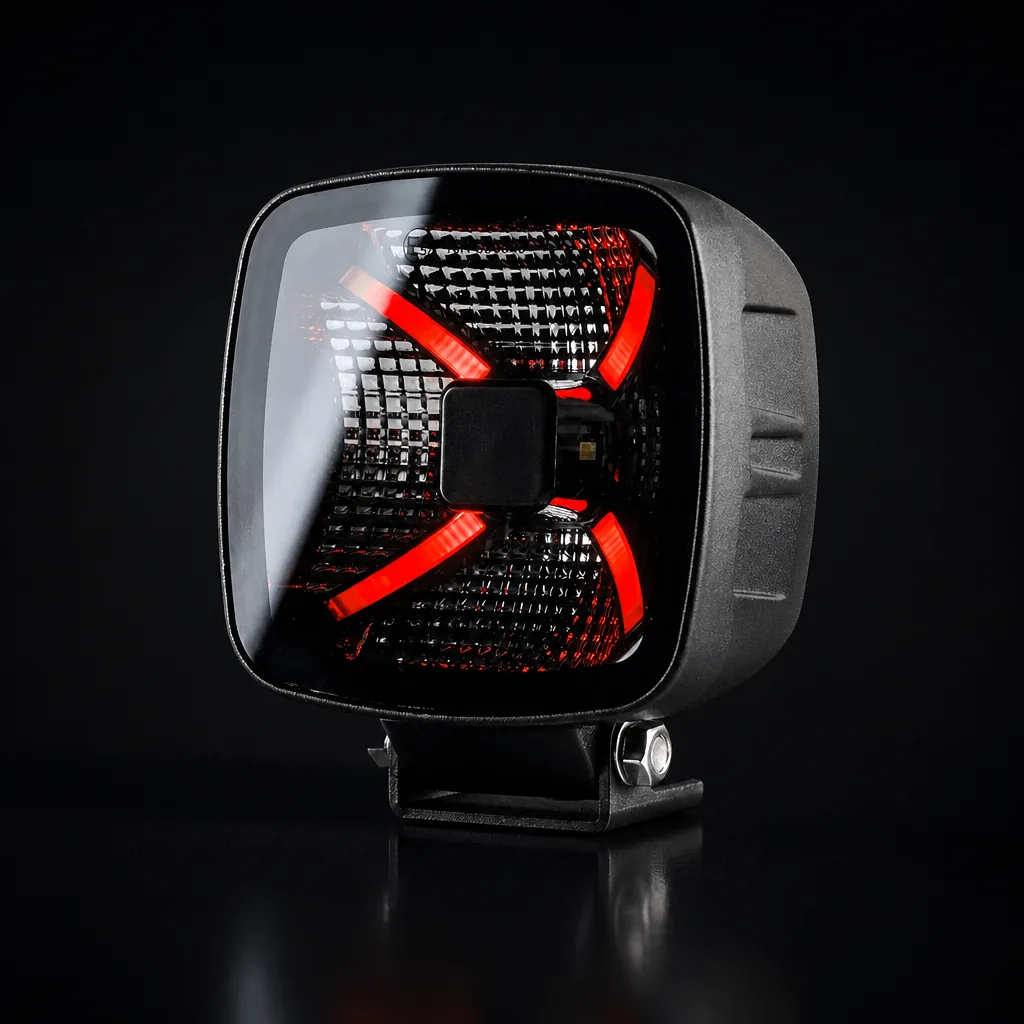
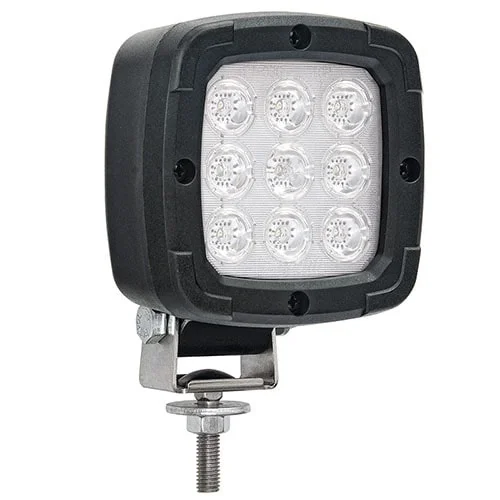
At TRALERT®, we understand the importance of both lumen and watts when choosing the right vehicle lighting. That is why TRALERT® work lights, driving lights and LED bars are all designed to deliver maximum light output with minimum energy consumption.
Below is a selection of energy-efficient lights with high lumen:
In our stock

In our stock

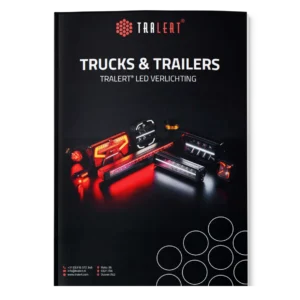
A selection of LED lighting for trucks and trailers.

A comprehensive overview of our LED vehicle lighting and accessories.
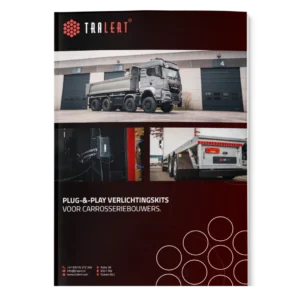
Plug-&-play lighting kits, cabling and lighting for bodybuilders.
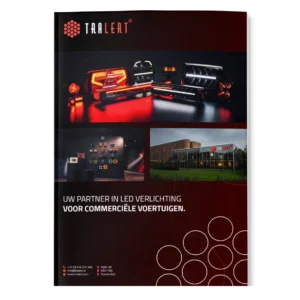
What TRALERT® can do for you as a partner in LED vehicle lighting.
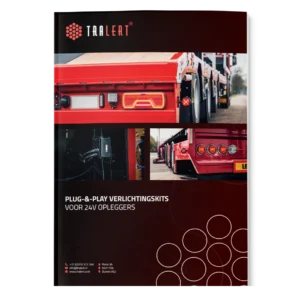
Plug-&-play kits, cabling and lighting for 24V semi-trailers.
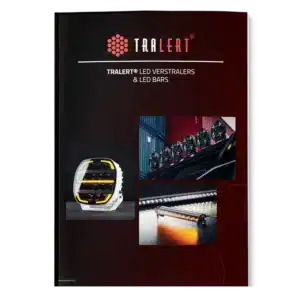
A selection of high-quality LED driving lights and LED bars.
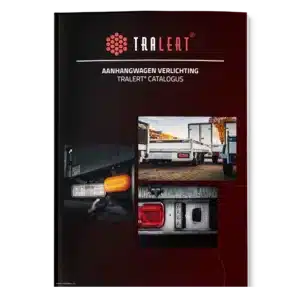
Lighting, wiring harnesses and accessories for trailers.
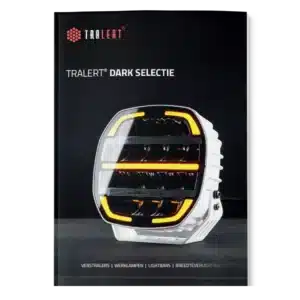
The TRALERT® DARK LED range.

Work lights, rear lights, driving lights, beacor bars and more for DAF Trucks.

Work lights, rear lights, driving lights, beacor bars and more for Ford Trucks.

Work lights, rear lights, driving lights, beacon bars and more for Iveco.

Work lights, rear lights, driving lights, beacon bars and more for MAN.

Work lights, rear lights, driving lights, beacon bars and more for Mercedes-Benz Trucks.
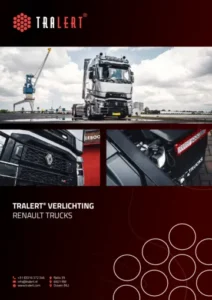
Work lights, rear lights, driving lights, beacor bars and more for Renault Trucks.

Work lights, rear lights, driving lights, beacor bars and more for Scania.

Work lights, rear lights, driving lights, beacon bars and more for Volvo Trucks.
The catalogue opens in a new tab. Can’t see it?
Open the catalogue (PDF)Two questions, in 30 seconds.
TRALERT® works with a dealer network. Dealers can view current stock levels, place orders online on account and receive a product feed for their online shop or system. We assess each enquiry internally and will let you know within 1 to 2 working days whether a partnership is possible.
You can purchase TRALERT® lighting through our partners, either locally or online. Simply provide your details, and we’ll find the partner best suited to help you.
Would you prefer to find a stockist yourself?We will assess your enquiry internally. You will hear from us within 1 to 2 working days to let you know whether a partnership is possible.
We’ll let you know within 1 to 2 working days which partner will be able to assist you further.
TRALERT® operates through a dealer network. Prices, stock levels and online ordering are therefore only available to business customers with an account.
We assess every enquiry internally and will let you know within 1 to 2 working days whether a partnership is possible.
For your own use?Find a stockist
Would you prefer a quote first?Add this product to your quotation request and send it off when you’re ready.