Your specialised partner in LED vehicle lighting

The short answer
Use of a beacon bar on public roads is only permitted in accordance with legal regulations. Flashing lights and beacon bars increase visibility and safety in transport, construction, infra and service. The law sets clear requirements for the use of these signal lights.
Europe has harmonised UNECE rules for technical requirements, but each country determines the use on public roads. This article provides a clear overview of the rules for beacor bars and strobe bars in 2026 and offers practical guidelines for international use.
In this article you will read:
- What European rules apply to beacor bars and strobe bars
- When you may use a flashing light or beacon bar
- Differences between amber and blue light
- Important exceptions per country
- Practical points for fleets, buyers and engineers
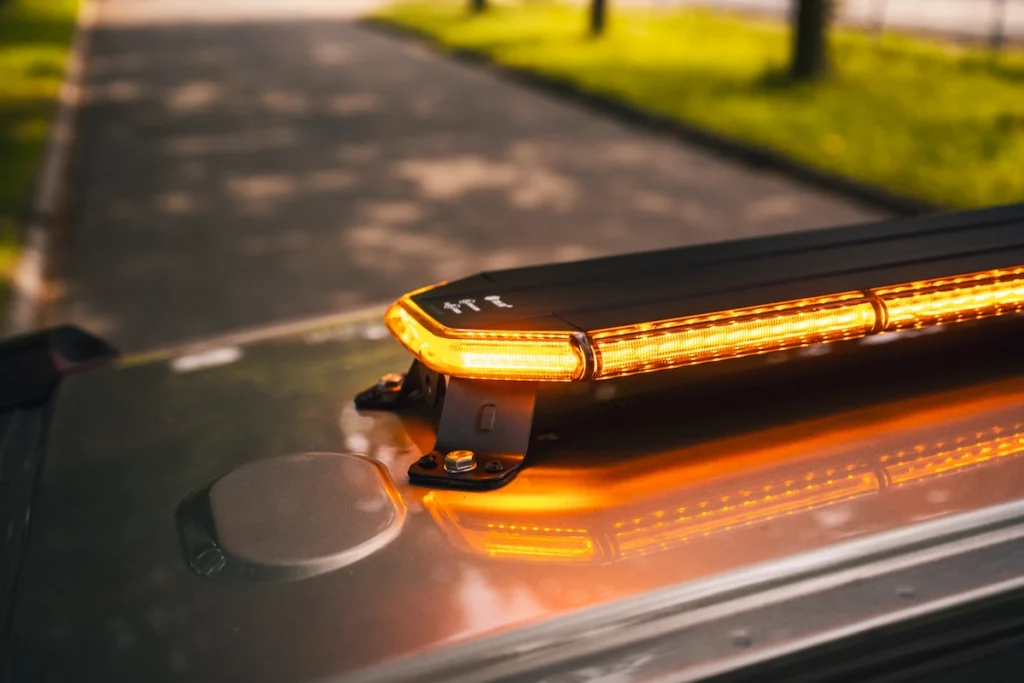
Within Europe, the technical requirements for flashing beacons and beacon bars are laid down in UNECE regulations. The most important standard is ECE R65, which specifically relates to optical warning signals.
ECE R65 specifies, amongst other things, the light intensity, visibility, flashing frequency and colour scheme of signal lighting. In addition, ECE R10 addresses electromagnetic compatibility, ensuring that the lighting does not cause interference with vehicle systems.
TRALERT®’s range of LED beacon bars fully meets these requirements.
The ECE standards specify how a beacon bar must function technically, but not when it may be used. This is regulated on a country-by-country basis. In virtually all European countries, amber warning lights may only be used in situations where there is a clear safety purpose.
Typical applications are suited to situations such as those described in our guide to lighting for heavy goods vehicles.
An important distinction within Europe is the colour of signal lights. Amber is used to warn, while blue is reserved exclusively for emergency services in most countries.
Want to know more about this distinction? Read also: are you allowed to have a blue rotating beacon?
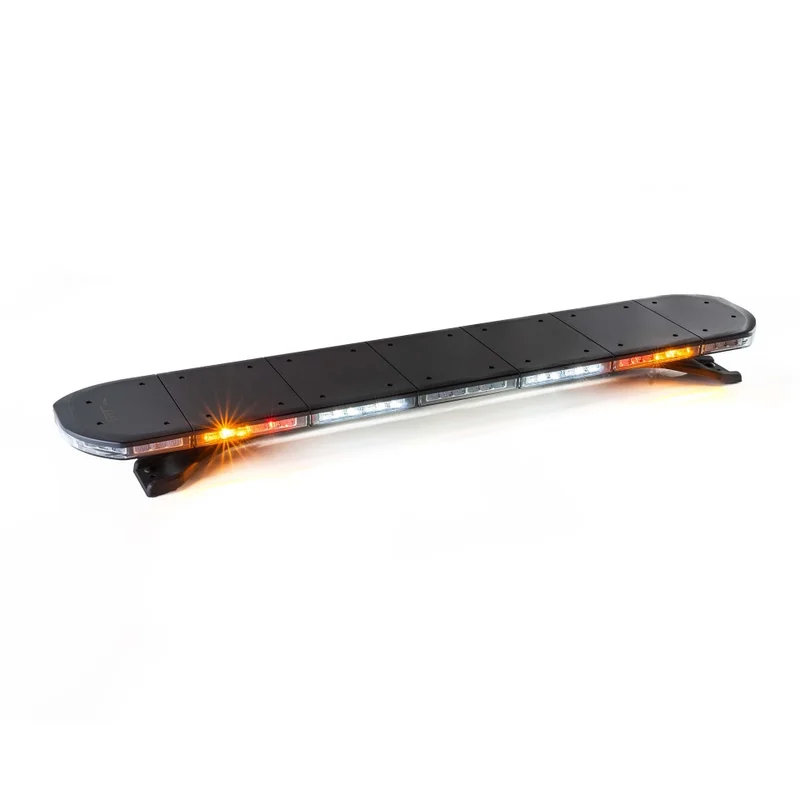
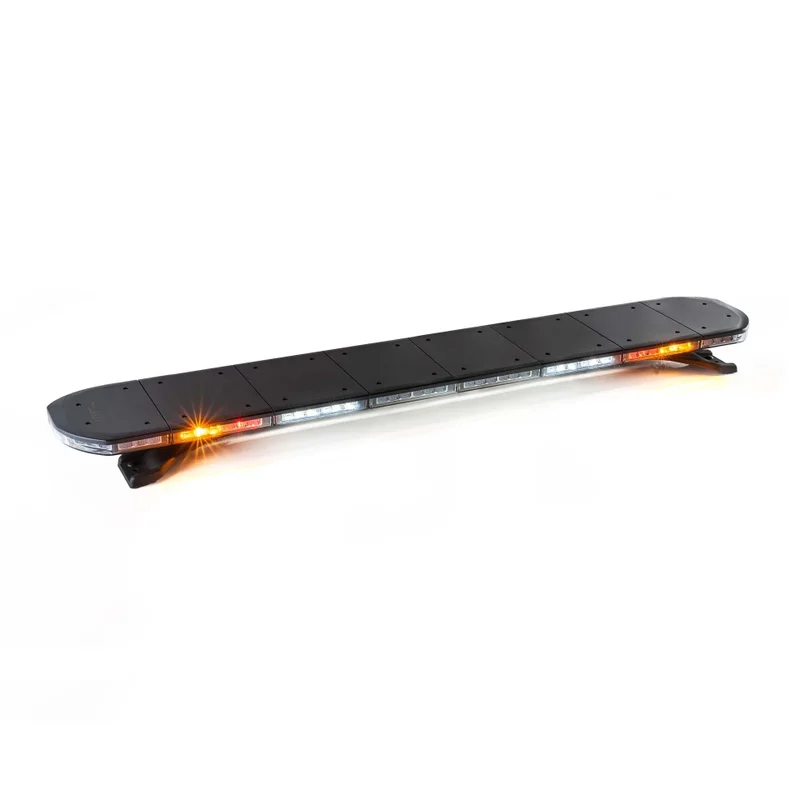
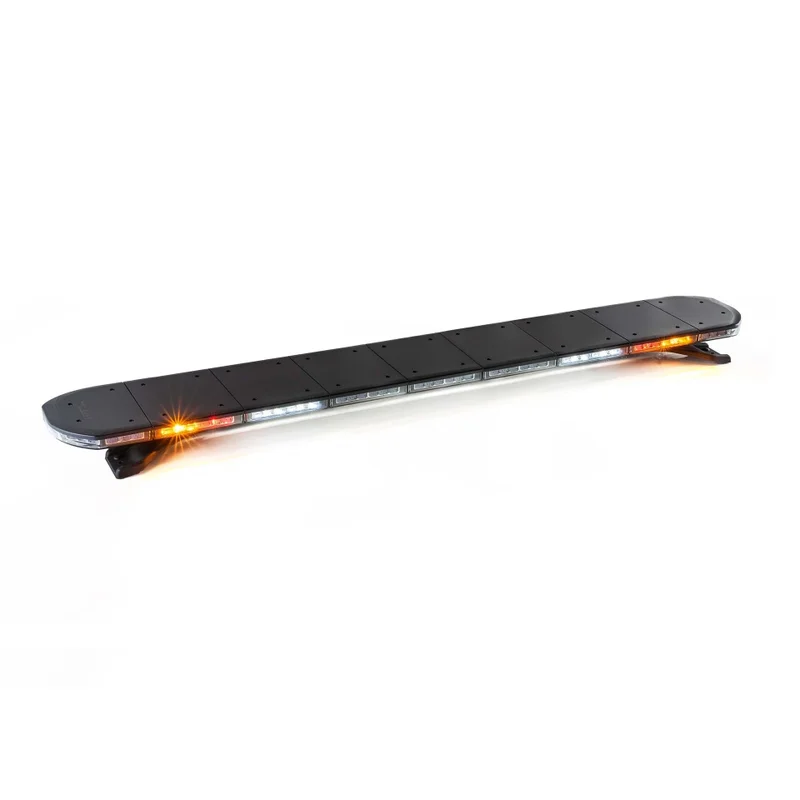
This video shows how TRALERT® beacor bars are used in practice. This not only helps with product orientation, but also with the assessment of format, light image and application possibilities.
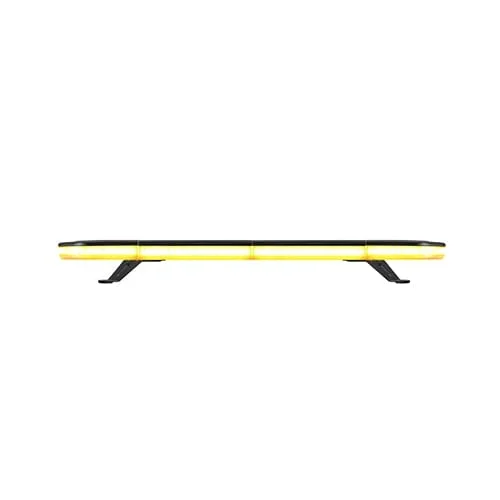
Available on backorder
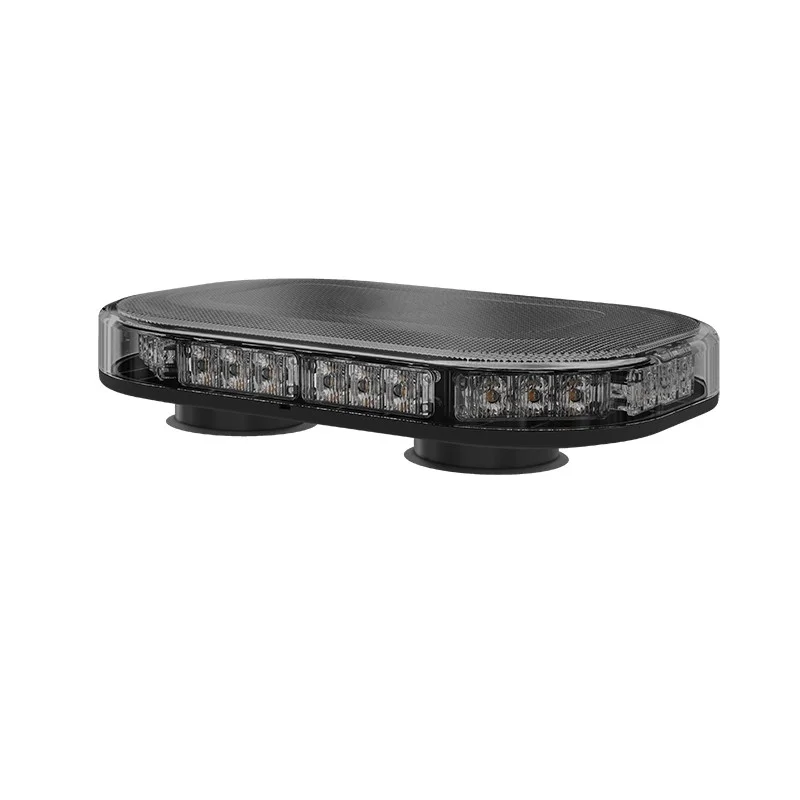
Available on backorder
Although the technical requirements are largely harmonised via ECE R65, the application (when and on which vehicle you are permitted to use amber warning lights) varies by country. For international fleets and OEM applications, it is advisable to check the national usage regulations with the local authorities in addition to ECE certification.
In the Netherlands, amber beacons may be used for work, transport with deviating dimensions and situations with increased risk. Use must always be functional. For the current rules and conditions: see the official explanation on the site of the central government.
Central government: When can you use beacons?
In Germany, the use of yellow signalling is more strictly linked to vehicle type and situation (e.g. work vehicles, exceptional transport). Please refer to the current StVZO regulations.
Gesetze im Internet: § 52 StVZO (Warnleuchten für gelbes Blinklicht)
In Belgium, amber signal lights are permitted for dangerous situations or work on and along the road. Use must be directly related to the situation. For details: see the site of the FPS Mobility.
FPS Mobility: Traffic regulations - Lights and signals
In the UK, amber beacon lights are permitted for slow-moving traffic, work vehicles and vehicles with a warning function. Blue is strictly for emergency services. Official rules via GOV.UK.
GOV.UK: Road Vehicles Lighting Regulations - Warning Beacons
In Italy, the use of yellow/orange lampeggianti is often linked to specific situations such as work traffic or exceptional transport. When used across borders, extra control recommended. See the Codice della Strada.
ACI / Ministero Infrastrutture: Art. 177 Codice della Strada (dispositivi lampeggianti)
No, a flashing light or beacon bar should only be used when there is a valid reason for doing so, such as work, an abnormal traffic situation or an increased safety risk.
Yes, an ECE R65 certification is mandatory for use on public roads.
Class 2 has a higher light intensity and is more visible in daylight. This is particularly relevant for vehicles operating on busy roads during the day or which need to be visible from a greater distance at an early stage. More about ECE R65 Class 2
In almost all European countries, blue light is only allowed for emergency services and other legally designated vehicles. For commercial applications, it is usually prohibited.
The technical requirements, such as ECE R65, are largely the same. However, the actual use differs from country to country. Therefore, always check the local regulations when vehicles are used internationally.
Disclaimer:
At TRALERT®, we do our best to keep the information in this article as accurate and up-to-date as possible, including the regulations surrounding vehicle lighting. However, legislation can change regularly, and although we make every effort to implement these changes in a timely manner, it is possible that certain updates or adjustments have not yet been incorporated into this article. We therefore always advise our readers to check the current legislation with their local government or regulatory bodies, especially when it comes to exceptions or specific national regulations. TRALERT® is not liable for any damages or fines resulting from outdated or incomplete information in this article.
If in doubt, always contact the competent authority to ensure that your vehicle meets all legal requirements.

A selection of LED lighting for trucks and trailers.
A comprehensive overview of our LED vehicle lighting and accessories.
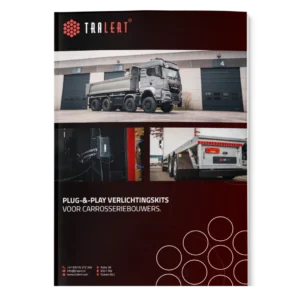
Plug-&-play lighting kits, cabling and lighting for bodybuilders.
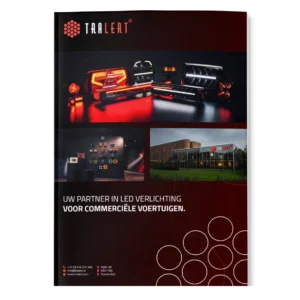
What TRALERT® can do for you as a partner in LED vehicle lighting.
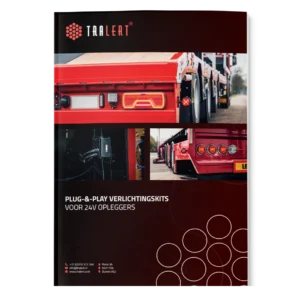
Plug-&-play kits, cabling and lighting for 24V semi-trailers.
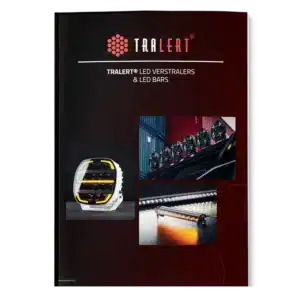
A selection of high-quality LED driving lights and LED bars.
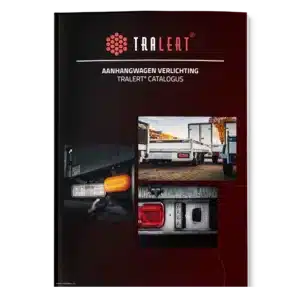
Lighting, wiring harnesses and accessories for trailers.
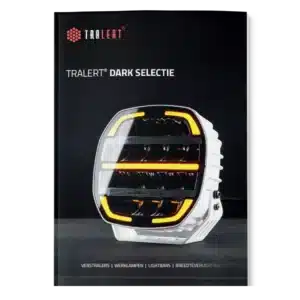
The TRALERT® DARK LED range.
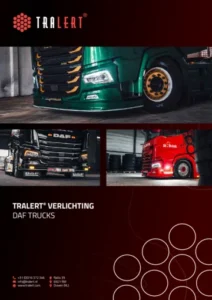
Work lights, rear lights, driving lights, beacor bars and more for DAF Trucks.
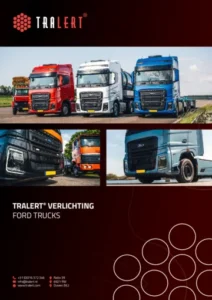
Work lights, rear lights, driving lights, beacor bars and more for Ford Trucks.
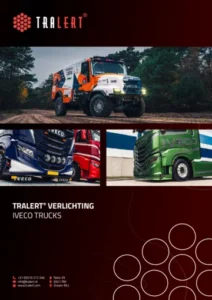
Work lights, rear lights, driving lights, beacon bars and more for Iveco.
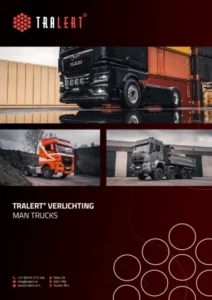
Work lights, rear lights, driving lights, beacon bars and more for MAN.
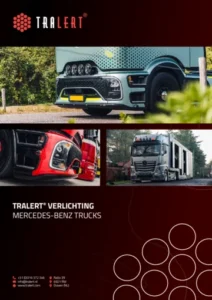
Work lights, rear lights, driving lights, beacon bars and more for Mercedes-Benz Trucks.
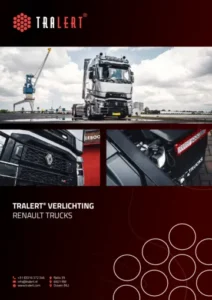
Work lights, rear lights, driving lights, beacor bars and more for Renault Trucks.
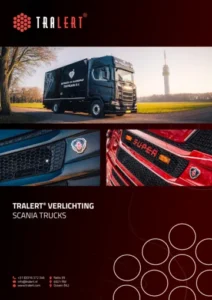
Work lights, rear lights, driving lights, beacor bars and more for Scania.
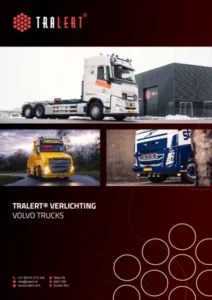
Work lights, rear lights, driving lights, beacon bars and more for Volvo Trucks.
The catalogue opens in a new tab. Can’t see it?
Open the catalogue (PDF)Two questions, in 30 seconds.
TRALERT® works with a dealer network. Dealers can view current stock levels, place orders online on account and receive a product feed for their online shop or system. We assess each enquiry internally and will let you know within 1 to 2 working days whether a partnership is possible.
You can purchase TRALERT® lighting through our partners, either locally or online. Simply provide your details, and we’ll find the partner best suited to help you.
Would you prefer to find a stockist yourself?We will assess your enquiry internally. You will hear from us within 1 to 2 working days to let you know whether a partnership is possible.
We’ll let you know within 1 to 2 working days which partner will be able to assist you further.
TRALERT® operates through a dealer network. Prices, stock levels and online ordering are therefore only available to business customers with an account.
We assess every enquiry internally and will let you know within 1 to 2 working days whether a partnership is possible.
For your own use?Find a stockist
Would you prefer a quote first?Add this product to your quotation request and send it off when you’re ready.