Your specialised partner in LED vehicle lighting


The short answer
In practice, amber lighting on a trailer can sometimes raise questions. For which type of trailer and in which position is this actually a requirement? In the field, this amber colour is often referred to as orange or yellow, whilst regulations and inspection guidelines usually refer to it as amber or amber-yellow. We explain where amber lighting on a trailer is and isn’t required.
This table shows where each colour of lighting is permitted:
| Position on the vehicle | Light function | Colour |
|---|---|---|
| Position on the vehicle: Side | Lightfunction: Side marker light | Colour: Amber-yellow |
| Position on the vehicle: Side | Lightingfunction: Retroreflector | Colour: Amber-yellow |
| Position on the vehicle: Rear | Lightfunction: Indicator | Colour: Amber |
| Position on the vehicle: Rear | Light function: Rear light / brake light | Colour: Red |
| Position on the vehicle: Front | Light function: Markeror position light | Colour: White |
TRALERT® has been a specialist in professional LED lighting for trailers since 2005. From marker lights and width markers to complete wiring harnesses and plug-&-play sets for series vehicle production.
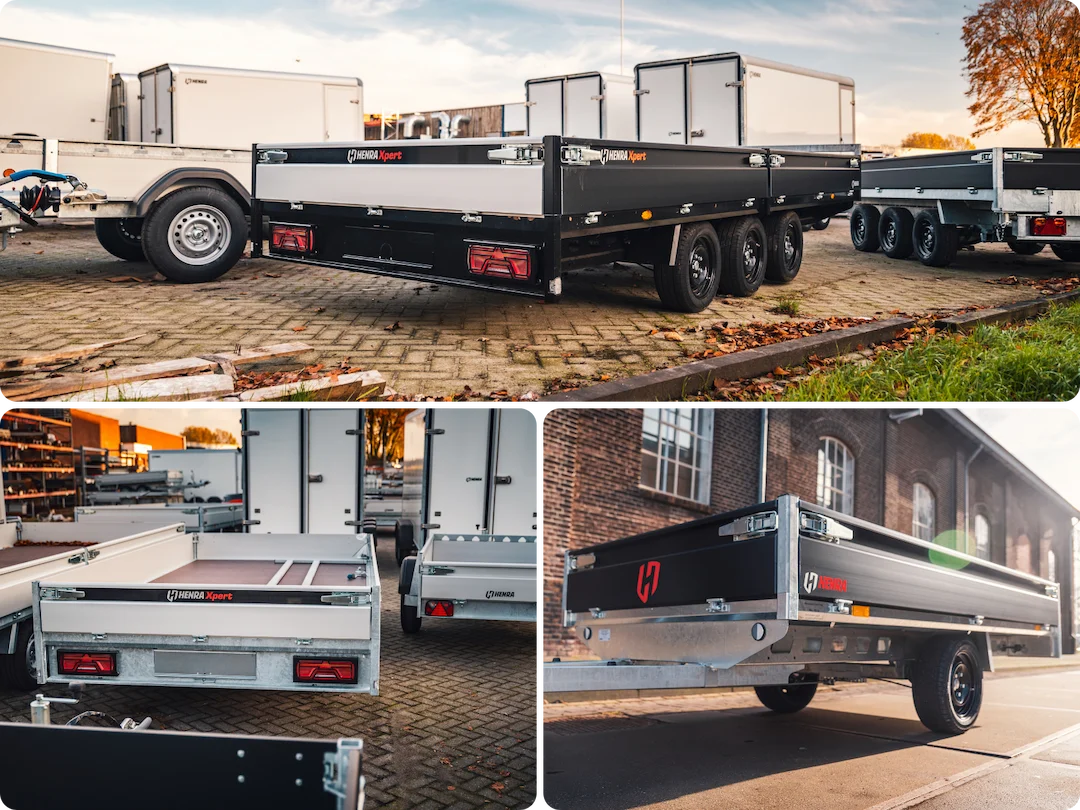
‘Amber’ is the technical term for the orange-yellow colour you often see on the roads. In everyday use, amber, ‘orange’ and ‘yellow’ are used interchangeably, whilst official sources usually refer to ‘amber-yellow’. The colour name itself says nothing about its permissibility; that depends on the light function. You can read more about this in our explanation of the term amber’.
amber is the standard colour for the sides. Side marker lights and side reflectors are amber , so that other road users can immediately see that they are approaching the side of your trailer.
At the rear, the indicator may be amber . The rear light, brake light and rear fog light remain red. Amber and red are often housed in a single unit, but they serve different functions.
Only white lighting may be fitted at the front of a trailer. We therefore do not see any amber lighting at the front of a trailer. The only exception is for safety signals, but in practice this does not actually occur at the front of a trailer.
Under UNECE R48, side marker lights are mandatory for certain categories of vehicles and trailers, depending on factors such as the length and category of the vehicle. In practice, many trailers longer than six metres are required to be fitted with amber side-marker lights. You should also always check which version of the regulations and which national approval requirements apply in the market where the trailer is used. You can read the full requirements for each situation in our guide to the rules governing trailer lighting.
An indicator must be amber and must flash. In addition, an amber side marker light may, under certain conditions, flash in sync with the indicator on the same side. A red rear side marker light must not do so. You can read about how to connect this in our article on marker lights with indicator function on trailers.
White points forwards, amber to the side and red to the rear. Anyone following this logic can see at a glance whether a light is in the correct position. An amber light in a position where a white or red light should be therefore unintentionally sends the wrong signal about the vehicle’s orientation.
A rear light is red, just like the brake light and rear fog light. In product descriptions, the term amber rear light’ usually refers to the amber indicator in a combined rear light unit. The red rear light function and the amber indicator are then housed in a single unit, but operate as separate functions.
Yes, in a specific configuration. The rear side marker light may be red when it is grouped or combined with certain red rear light functions. The other side marker lights remain amber. Please note: a red rear side marker light must not flash in synchronisation with the indicator; only amber side marker lights are permitted to do so.
‘Amber’ is the technical term for the orange-yellow colour you often see on the roads. In everyday language, amber, ‘orange’ and ‘yellow’ are often used interchangeably. Official regulations generally refer to ‘amber-yellow’. Whether a light is approved depends on whether the light function prescribes or permits this colour in that location.
An amber light is not automatically permitted everywhere. Whether you are allowed to fit one depends on its function and position. Additional lighting without a recognised function, fitted purely for styling purposes, is not permitted. So choose a light with the correct function, colour and E-mark for that specific location on your trailer.
Are you looking for certified amber side marker lights or marker lights for your trailer? Browse TRALERT®’s range of LED marker lights and work with our specialists to put together the right set.

A selection of LED lighting for trucks and trailers.
A comprehensive overview of our LED vehicle lighting and accessories.
Plug-&-play lighting kits, cabling and lighting for bodybuilders.
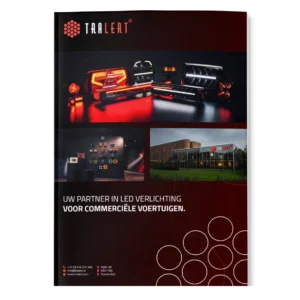
What TRALERT® can do for you as a partner in LED vehicle lighting.
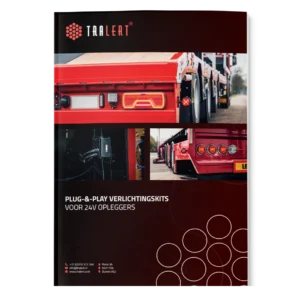
Plug-&-play kits, cabling and lighting for 24V semi-trailers.
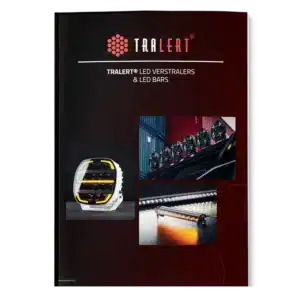
A selection of high-quality LED driving lights and LED bars.
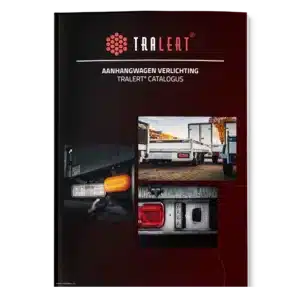
Lighting, wiring harnesses and accessories for trailers.
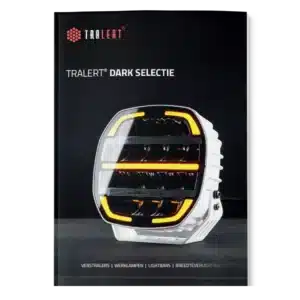
The TRALERT® DARK LED range.
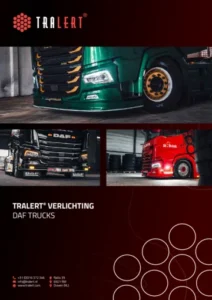
Work lights, rear lights, driving lights, beacor bars and more for DAF Trucks.
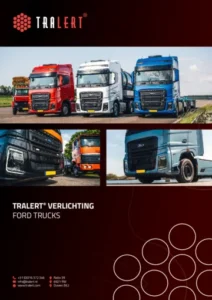
Work lights, rear lights, driving lights, beacor bars and more for Ford Trucks.
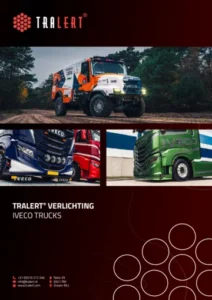
Work lights, rear lights, driving lights, beacon bars and more for Iveco.
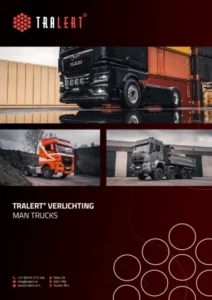
Work lights, rear lights, driving lights, beacon bars and more for MAN.
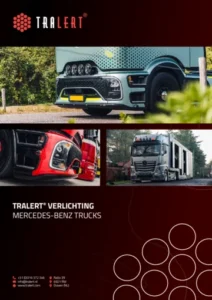
Work lights, rear lights, driving lights, beacon bars and more for Mercedes-Benz Trucks.
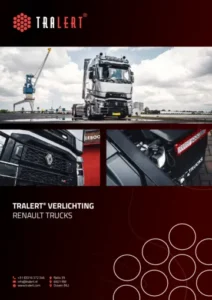
Work lights, rear lights, driving lights, beacor bars and more for Renault Trucks.
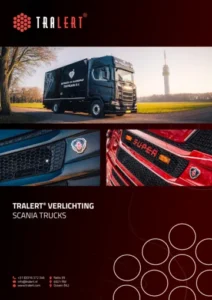
Work lights, rear lights, driving lights, beacor bars and more for Scania.
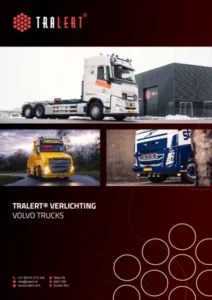
Work lights, rear lights, driving lights, beacon bars and more for Volvo Trucks.
The catalogue opens in a new tab. Can’t see it?
Open the catalogue (PDF)Two questions, in 30 seconds.
TRALERT® works with a dealer network. Dealers can view current stock levels, place orders online on account and receive a product feed for their online shop or system. We assess each enquiry internally and will let you know within 1 to 2 working days whether a partnership is possible.
You can purchase TRALERT® lighting through our partners, either locally or online. Simply provide your details, and we’ll find the partner best suited to help you.
Would you prefer to find a stockist yourself?We will assess your enquiry internally. You will hear from us within 1 to 2 working days to let you know whether a partnership is possible.
We’ll let you know within 1 to 2 working days which partner will be able to assist you further.